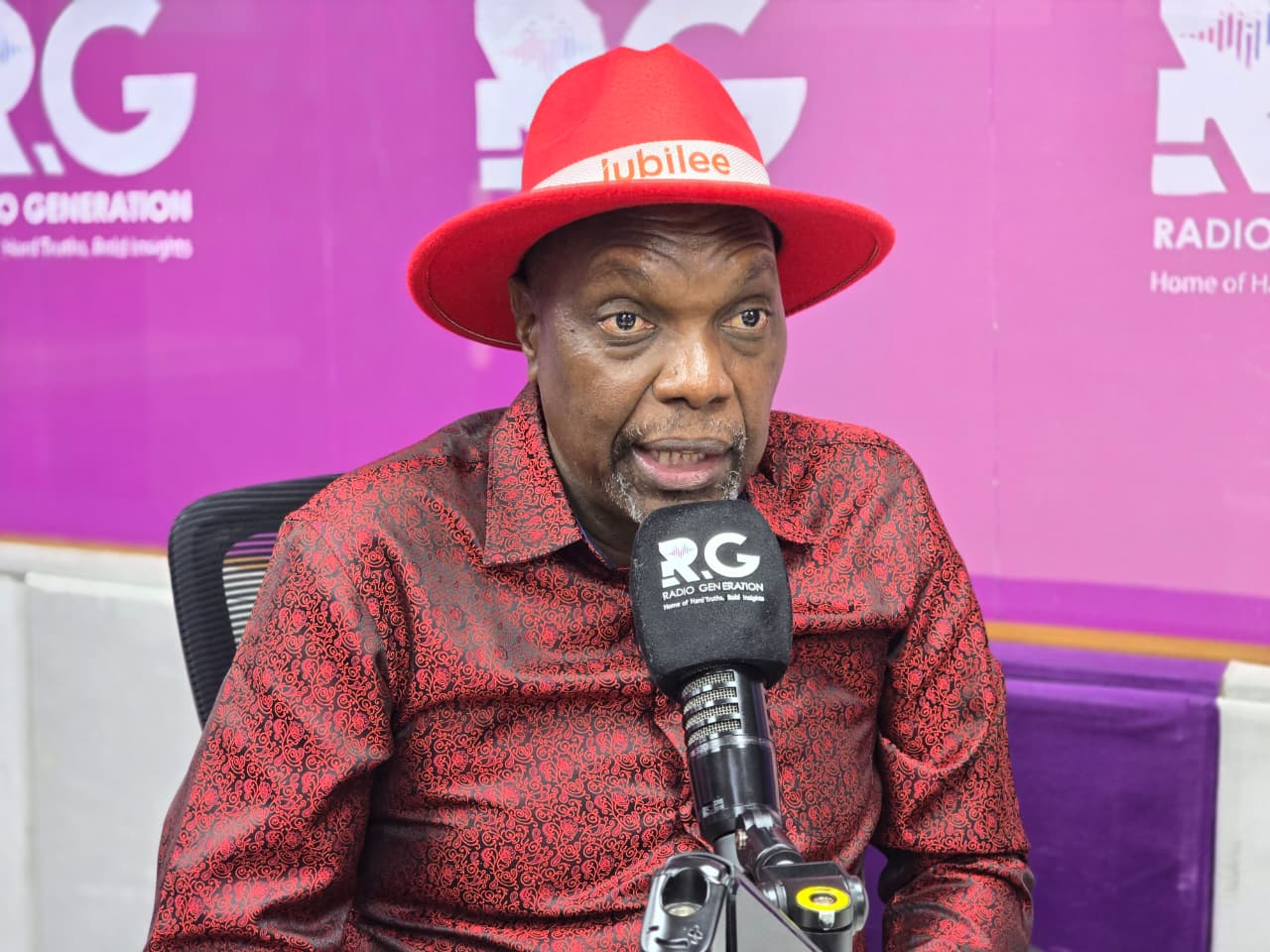
Jubilee Deputy Party Leader Jeremiah Kioni has said Raila Odinga lost the 2022 presidential election due to serious failures within the Azimio la Umoja campaign, pointing to weak campaign management, poor handling of funds, and internal sabotage.
Speaking during an interview on Radio Generation, Kioni argued that these problems denied Odinga a clear path to victory despite having strong political backing.
Kioni said any serious presidential campaign must be built on proper planning, especially when it comes to fundraising and grassroots mobilisation. “Any presidential candidate who wants to be successful, and any presidential campaign that makes sense is one that has a clear way of fundraising,” Kioni said. He explained that without a structured system, even well-supported candidates can struggle during critical moments of the race.
He praised former President Uhuru Kenyatta for his ability to mobilise resources, describing him as “a very good fundraiser for political activities.” According to Kioni, Kenyatta’s strength came from public trust, saying, “once people believe in you, you become a very easy person to raise funds for.” He added that Odinga had also shown strong fundraising ability in the past through support from close allies, which he described as “a very big asset.”
However, Kioni said the problem was not the availability of money but how it was handled during the campaign. He claimed that large amounts of funds, allegedly running into hundreds of millions of shillings, were set aside for paying agents but were not properly managed. “That money is normally handled by the person in charge of logistics,” he said, adding that such responsibilities were left to a few trusted individuals within the Azimio secretariat. “Those are issues that are given to a very close person.”
Kioni accused some insiders of working against Odinga instead of supporting his bid, saying too much power was concentrated in the hands of a few people. He said this limited openness and weakened accountability within the campaign structure. According to him, this affected key operations on election day.
He further claimed that the deployment and control of polling agents was compromised, alleging that “our agents were really under the control of UDA.” Kioni said some agents who received payments did not act in the interests of Azimio, weakening the coalition’s presence at polling stations and during vote counting.
Another major concern raised by Kioni was voter turnout in Nyanza, a region considered Odinga’s political base. He said the campaign failed to mobilise voters effectively, leading to a shortfall of more than 200,000 votes. “We needed a good turnout,” Kioni stated. “If you are running as a presidential candidate, we expect to see an 80 per cent plus turnout from your stronghold… those votes were enough to have made Baba the president.”
Kioni concluded by warning against leaders who take control of institutions once they assume power. He stressed that institutions should be allowed to operate independently and within the law. “The reason why you are in power is not to capture institutions and use them for what is not provided for in the Constitution,” he said, noting that this principle was respected during the leadership of former President Kenyatta.































Comments
Sign in with Google to comment, reply, and like comments.
Continue with Google